Renewable energy stories
Scotland's largest data centre provider, DataVita, ramps up its AI and high-performance computing hosting prowess with ground-breaking tech.
AI-native data platform firm Weka has joined forces with NexGen Cloud in an effort to enhance AI Supercloud and Hyperstack services.
Nordic AI service provider, atNorth, starts 2024 with Sustainability in Tech Award nods, recognising its sustainable efforts in data centre solutions and circular economy practices.
London-based consultancy, Alioth, has partnered with Alibaba.com to expand small and medium-sized European businesses' global footprints, leveraging online B2B marketplaces.
Over half of UK businesses fear unintended 'greenwashing' due to unclear carbon footprint reporting, as gov't considers stricter emissions disclosure rules.
NTT announces construction of its first data centre campus in Paris, rounding off its presence in Europe's top data market hubs as part of a $10bn expansion.
Prominent AI firm Poolside forms a significant partnership with renewable energy data centre provider Iris Energy to receive GPU cloud services, bolstering Iris Energy's burgeoning growth in this sector.
Equinix signs its first-ever Power Purchase Agreement (PPA) in the Asia-Pacific region with TagEnergy, marking a crucial step in expanding renewable energy.
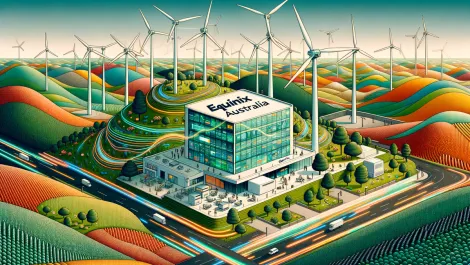
Equinix Australia signs its first Power Purchase Agreement in Asia-Pacific, purchasing 151MW of renewable energy from TagEnergy's Golden Plains Wind Farm in Victoria due by 2029.
With impending sustainability legislation and the rise of competition in the cloud computing market, hybrid multicloud solutions offer energy efficiency, resource sharing, and reduced risk, underpinning the business imperative for sustainability.
Following a drop in funding, 2024 sees a predicted resurgence in climate tech trends, with clean energy, hydrogen, carbon capture and storage, and alternative proteins earmarked for significant investment growth.
Google and Danfoss join forces to enhance energy efficiency in data centres through AI and sustainable cooling systems.
APAC construction sector focuses on sustainability, buoyed by the global aim to reach net zero emissions, according to a whitepaper by Autodesk.
Green data centre operator, Digital Power Optimization, Inc., secures renewable energy supply through a PPA with a multinational provider, planning to directly harness wind power from Texas farms for its facilities.
Equinix extends its commitment to generating over 1GW of clean energy globally, by executing a new Power Purchase Agreement in Australia.
Amazon and Vena Energy launch a 125MW solar farm in Queensland, the first Amazon renewable energy project in the state.
Asia Pacific data centre specialist AirTrunk partners with renewable energy developer ib vogt, inking Malaysia's first ever data centre renewable energy Virtual Power Purchase Agreement.
Singtel unveils initiative to boost AI development and ecological sustainability in Singapore and Southeast Asia, with plans for AI-ready, eco-friendly data centres expansion.
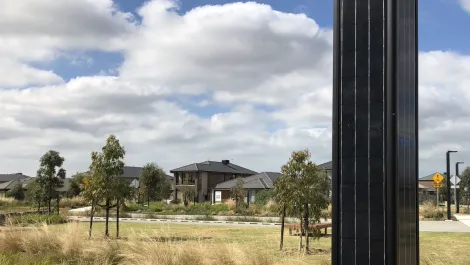
PowerStack, the Australian solar innovator, partners with ISCS, a leading security technology provider, to expand distribution of its unique, vertical solar power poles nationwide.
Cybersecurity expert Leon Poggioli believes Australia's proposed cybersecurity law reforms need to pay more heed to smart home devices like solar inverters, crucial for grid stability.









.webp)